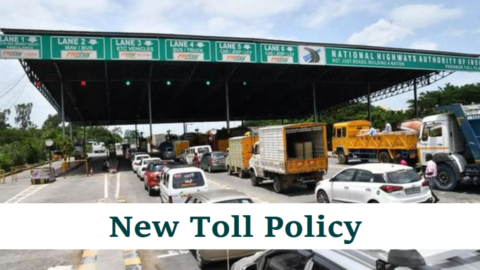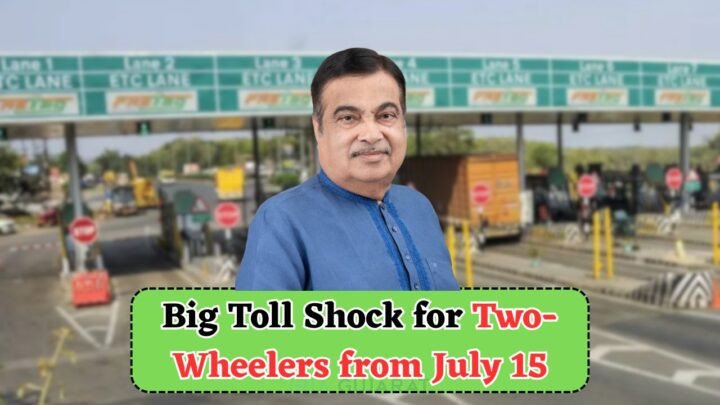
Starting July 15, 2025, it is widely reported that two-wheelers will be required to pay tolls on national highways, and FASTags will become mandatory for them.
This marks a major policy shift, as two-wheelers have historically enjoyed free passage on most toll roads. The move aims to:
- Integrate two-wheelers into the digital toll collection system: Just like cars, two-wheelers will need a FASTag affixed to their vehicles for seamless, digital toll payments.
- Ensure equitable contribution to infrastructure costs: With the rising number of two-wheelers on highways, officials argue that their contribution to road maintenance and upgrades is necessary for a fair and sustainable funding model.
- Generate additional revenue: The collected tolls will contribute to the funds needed for continued road development, maintenance, and expansion of the national highway network.
- Modernize toll collection: The shift to FASTag for two-wheelers is expected to reduce congestion at toll plazas and promote digital payments across all vehicle categories.
While specific toll rates for two-wheelers will vary depending on the highway and distance, some reports suggest a potential monthly toll fee of ₹150. Furthermore, non-compliance (not having a FASTag or attempting to evade tolls) could incur a penalty of ₹2,000.
However, it’s crucial to note that Union Minister for Road Transport and Highways, Nitin Gadkari, has recently clarified that the government is not considering any proposal to levy toll tax on two-wheelers and that the exemption will continue. This statement directly contradicts the widespread media reports that have been circulating.
Therefore, while the initial widespread reports indicated a definite change from July 15, the latest official clarification suggests that two-wheelers will continue to be exempt from toll charges on national highways. It’s always advisable to stay updated with official announcements from the National Highways Authority of India (NHAI) or the Ministry of Road Transport & Highways for the most accurate information.